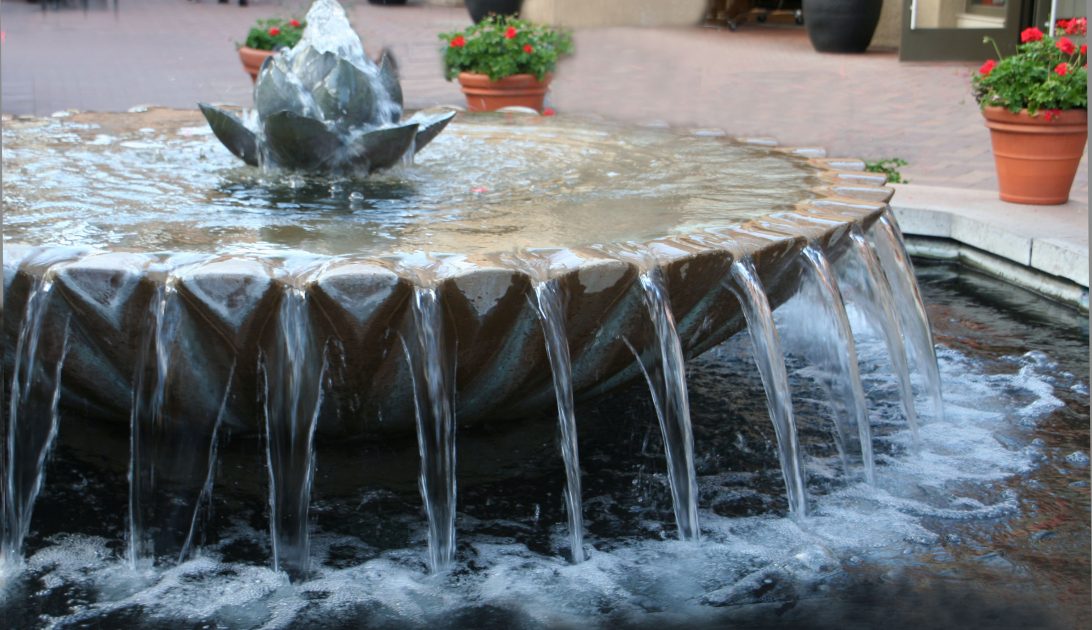
The last post – since I’m running out of space here! FOR THE NEXT POST click on”For the next post” in red for a direct link to the post
http://artworksfromjeshstg.wordpress.com – ALSO FOR “SEASONS” meme (click on the word seasons in red) -it brings you to my next Seasons post) on Sunday- Wednesday
Summer or winter, Amador county is like it sounds: poetic and charming.
TO COMMENT: Click on the title of THIS post (Amador County), and the comment form will appear on the bottom of this post.
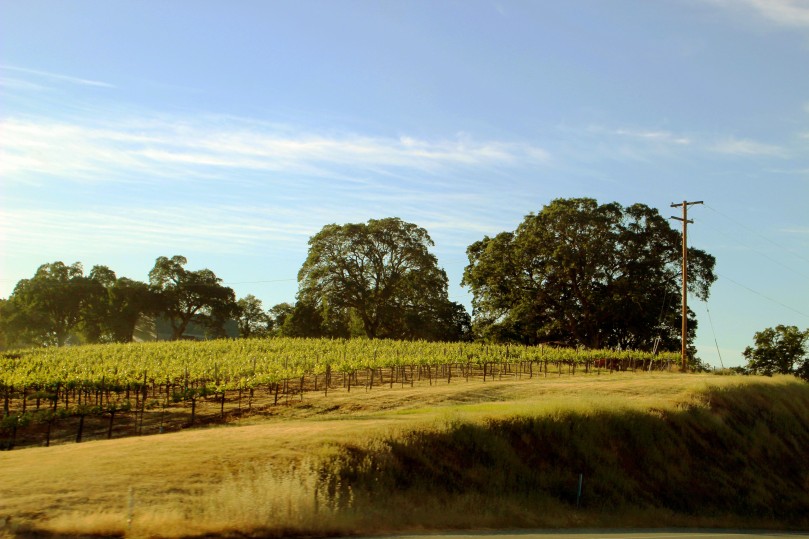
THE GOOD; Not as well known as Napa Valley to the West, but all around here are large and small vineyards, all protected by fences (hard to see here). Love the different (Tue) textures of the smooth leaves of the grapes and (Tue) trees, the hard rounded shapes of the stalks and the fence, and the soft grainy texture of the weeds.
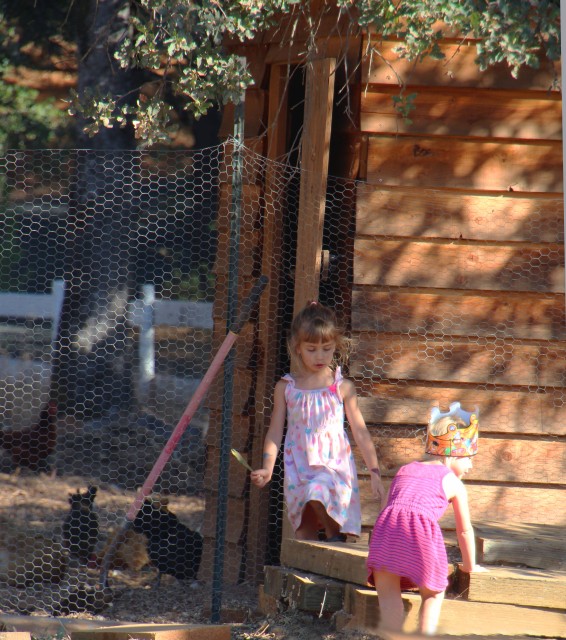
THE FUN: where kids play with things in nature (Mundane Monday)
Friday Hunt
Begins with C: Critters (deer)
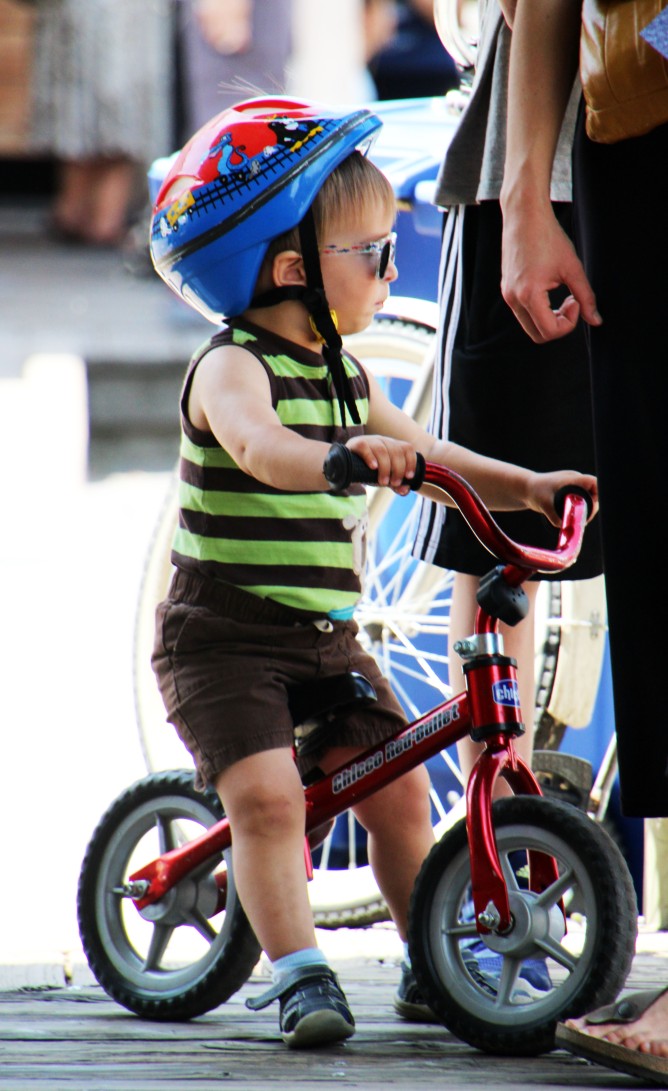
Weeks Favorite: Kid’s Play
Unique perspective: last photo
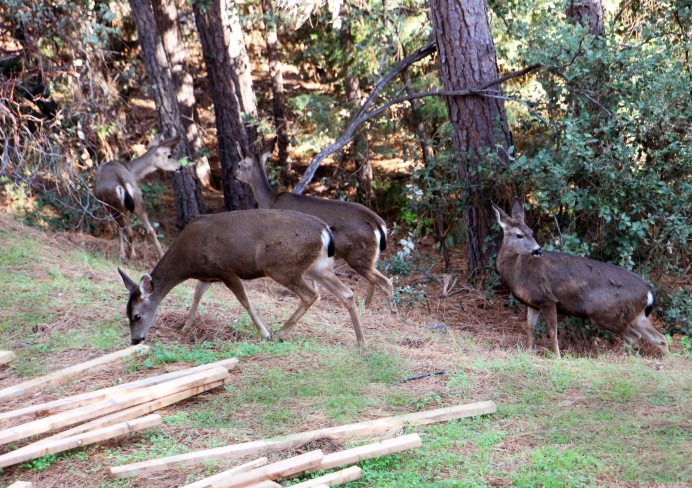
the deer daily come in and around our back yard
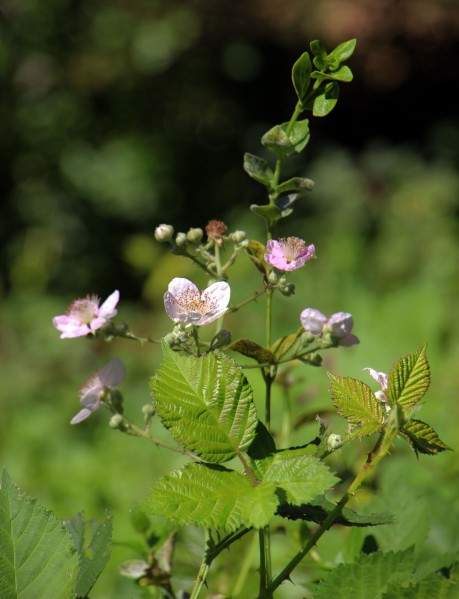
Because of the dear deer I need to research which flowers they do not like to eat! Or, have them 6 feet off the ground. Since these are wildflowers, they’ll probably be toast:) for Nature Notes
A few months ago my son in law came home from work. His son Boo handed him his present. My daughter explained that whenever Boo won marbles at a game at school, he saved them up 3 months long, to give to his dad as a birthday present.
We were all touched – a total surprise. Hope he will stay this kind and compassionate.
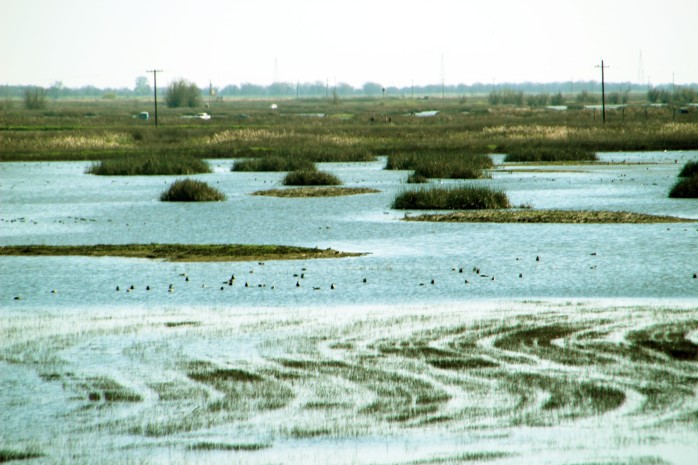
THE RANDOM: The only place that is the next county over on our way to Vacaville. See the ducks and birds? Because the Water/swamp I couldn’t come closer. I do not know how this area is called, but it’s a few miles long. Tue Travel.
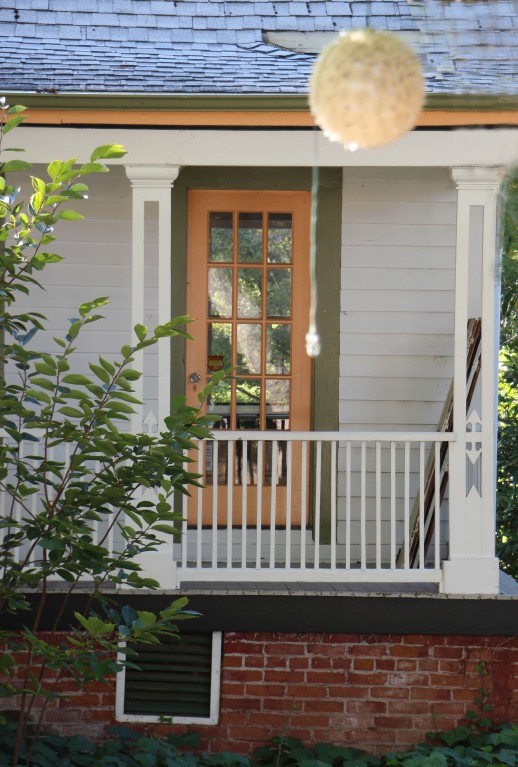
DOOR with sunny reflection in Sutter Creek, center of the Californian goldrush.
All painted brightly(ABC), but looking at the brick work, it was built some years ago:)
for Tue Treasure
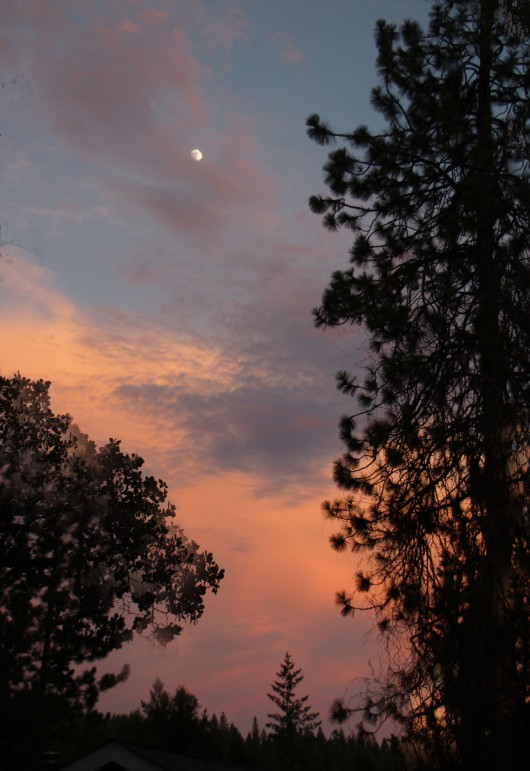
The most beautiful skies and sunsets!
A Reminder for seasons on Sunday July 17 SEASONS – July’s Favorites
 will also be on the new URL http://artworksfromJeshStG.wordpress.com
A Thank you to All the Hosts
* Little Things * Good Fences * Thurs. Door * Sky Watch * Floral Fri Foto*
Fri Greens * Weekend Reflections * Todays Flowers * Fri Photo Journal * Maleviks Rosen * Pink Saturday * Sat. Silhouette * Sat. Critters* Fri Hunt * Our Beautiful World*
*Randomosity * Mundane Monday * Blue Monday * Our World *
*Nature Notes * Trees and Bushes * Tue Texture * Tuesday Travel* Tue Treasure *
ABC– * Water World * Outdoor Wed. * Wordless Wed. * Communal Global *
 Hello SEASONS bloggers, a summer color of the logo.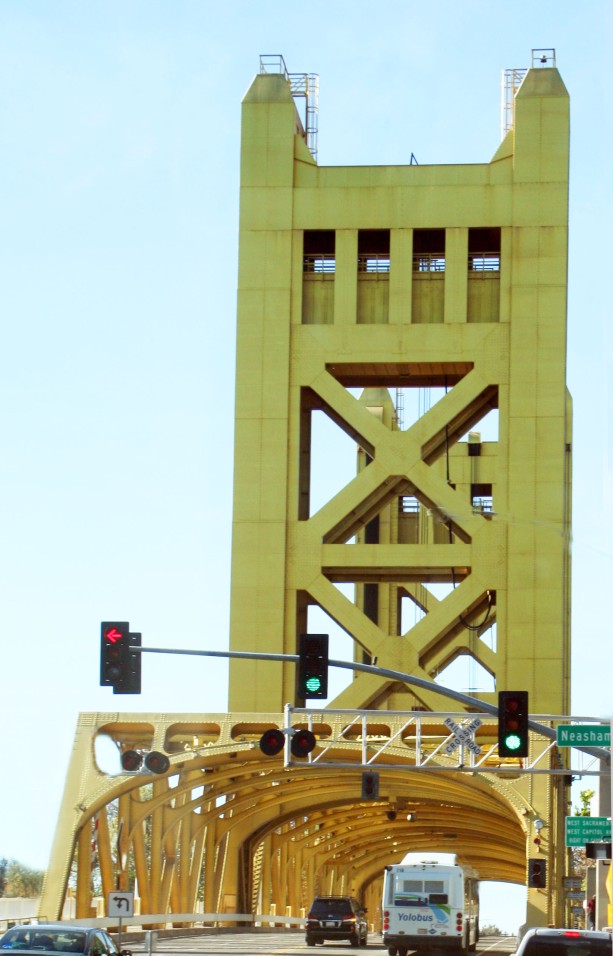
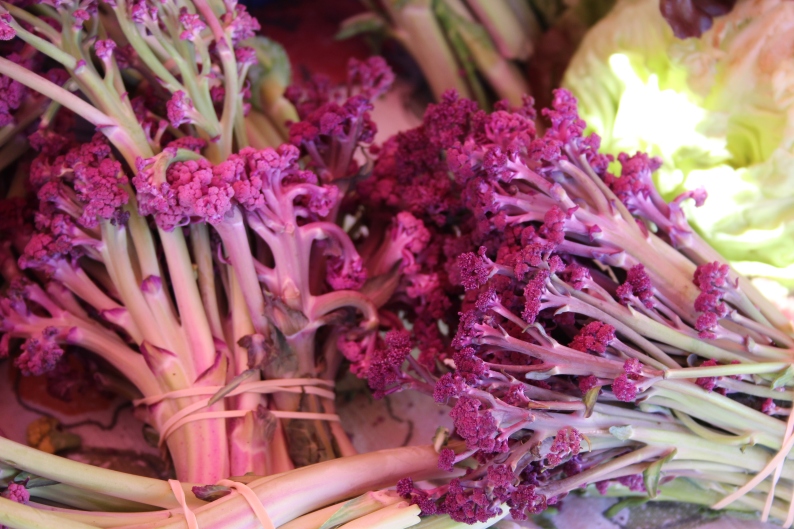

 THE RANDOM: Didn’t think I would use flowers for another kind of subject,


 Hello Season’s Bloggers
 Chocolate cheese cake and Mocha on the inside

 (2) (2) THE FUN: Also Attention What is the 4th of July without BBQ? Our menu is Chicken, Zucchini, and potato salad, closely watched by our (almost) life-long friend Jared.
 (4) THE RANDOM: Love this apartment building in Little Italy in San Diego – now 7 hours South from us – but I wonder

 (ABC-Wed., Water World, Sky Watch, Pink Sat.)
 Hello SEASONS Bloggers,


 (1) In Utah, the green was super green, and the red amazingly bright brick red.


 Before Wednesday this is one of the places we have been in Yosemite Nat. Park. Once I did a plein air oil painting at this scene, but am not quite satisfied. You see that spindly tree trunk laying down on the moss next to Yosemite Falls’ waterfall? (More on the left). That will probably my focus.


 St Germain's Blog